Brushing Right After Eating
If you feel the need to clean your teeth after eating or drinking, wait at least 60 minutes before brushing-especially if you have had something acidic like lemons, grapefruit or soda. Drink water or chew sugarless gum with the ADA Seal of Acceptance to help clean your mouth while you are waiting to brush.
Storing Your Brush Improperly
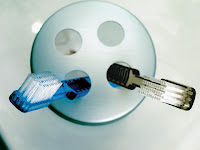
When you’re done brushing, keep your toothbrush upright and let it air dry in the open. Avoid keeping your toothbrush in a closed container, where germs have more opportunity to grow.
Using a Brush with Hard Bristles
Soft bristles are a safe bet. And be mindful to be gentle, especially where your gums and teeth meet, as you brush. Talk to your dentist about what kind of toothbrush is best for you.
To read the entire article visit MouthHealthy.org.
 Below is an excerpt from an article found on Colgate.com
By following the information in this guide, you and your family can have healthy teeth and gums to last a lifetime. As a parent, you can work with your children to help them understand why good oral care is important - and show them how to do it right!
Four Steps to a Bright Smile
- Brush at least twice a day with a fluoride toothpaste, especially after eating breakfast and before bedtime.
- Floss every day.
- Limit the number of times you eat snacks each day.
- Visit your dentist regularly.
It's easy to guide your family toward good oral health. All it takes is the right information and a little practice to keep them moving in the right direction!
To read the entire article visit Colgate.com.
The remainder of the article details the following:
- Infographics on how to brush
- Infographcis on how to floss
- A list of preventive dental care tips!
Below is an excerpt from an article found on MouthHealthy.org
 When he’s feeling under the weather, ADA dentist Dr. Gene Romo says one thing always helps him feel a little more like himself. “Brushing my teeth when I’m sick actually makes me feel better,” he says. “My mouth feels clean, and in a way, I feel like my health is starting to improve.”
When you have a cold or the flu, taking care of your body is your top priority-and that includes your mouth. “It’s important to take care of your dental health all year round, but especially when you’re sick,” Dr. Romo says.
Here are some simple ways to care for your dental health when you’re not feeling well:
Practice Good Hygiene
When you’re sick, you know to cover your mouth when you cough and sneeze. Don’t forget to keep up your dental and toothbrush hygiene as well.
According to the CDC, the flu virus can live on moist surfaces for 72 hours. “The number one rule is not to share your toothbrush anytime, but especially when you are sick,” Dr. Romo says.
You also probably don’t need to replace your toothbrush after you’ve been sick. Unless your immune system is severely compromised, the chances of reinfecting yourself are very low. “But if you’re still in doubt, throw it out,” says Dr. Romo. “Especially if you’ve had your toothbrush for 3-4 months, when it’s time to replace it anyway.”
Choose Sugar-Free Cough Drops
Read the label before you pick up a bag at the drug store with an eye to avoid ingredients like fructose or corn syrup. “Many cough drops contain sugar, and it is like sucking on candy,” says Dr. Romo. “Sugar is a culprit when it comes to cavities.” The longer you keep a sugary cough drop in your mouth, the more time cavity-causing bacteria has to feast on that sugar, which produces the acid that can leave holes in your teeth.
To read the entire article visit MouthHealthy.org.
The remainder of the article details the following:
- Swish and Spit After Vomiting
- Stay Hydrated to Avoid Dry Mouth
- Choose the Right Fluids


